EN
 SP
 FR

- Home
- About Us
- Products
- Service
- Project
- News
- Contact Us
Pulished on Aug. 31, 2023
In terms of improving safety and protection, anti-climb fence technology has developed many different types of solutions. From traditional barbed wire to modern electric fencing, these technologies vary significantly in terms of anti-climbing capabilities, safety and ease of use. Through a comparative analysis of these different technologies, we can better understand their characteristics and applicable scenarios.

The characteristics and application of barbed wire
Barbed wire is a traditional anti-climb fence technology that uses a combination of sharp barbed wires. Its main feature is a high degree of obstruction and deterrence, which can effectively prevent climbing and intrusion. Barbed wire is widely used in military bases, prisons, borders and other places that require high security.

Features and applications of electronic fences
In contrast, electronic fence is a more modern and intelligent anti-climb fence technology. It monitors and detects any unauthorized intrusion by utilizing electronic devices and sensors. The electronic fence has quick response, alarm and tracking functions, and can provide real-time security monitoring and management. Electronic fences are widely used in residences, commercial buildings, industrial parks and other places that require flexibility and convenience.
Comparative Analysis and Selection Recommendations
Through the comparative analysis of barbed wire and electronic fence, the appropriate anti-climb fence technology can be selected according to specific needs and scenarios. Barbed wire may in some cases be more suitable for sites requiring a high level of containment and deterrence, while electronic fencing may be more suitable for sites requiring rapid response and intelligent monitoring. Choosing the right anti-climb fence technology needs to comprehensively consider factors such as safety, cost, maintenance and management.

How to Select the Right Wire Diameter for Welded Wire Fence? A Practical Buyer’s Guide
Pulished on Nov. 18, 2026
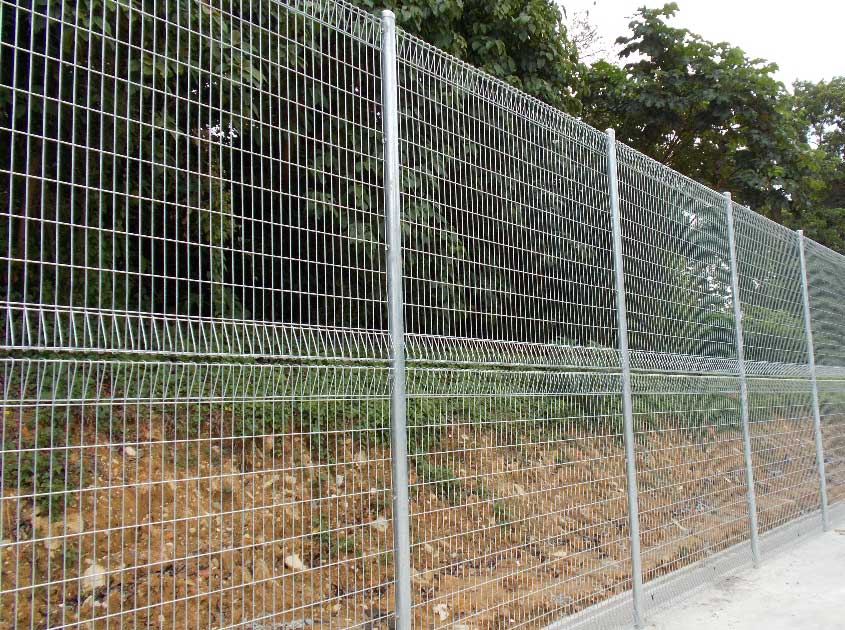
What Mesh Size Is Best for Welded Wire Fence? A Practical Selection Guide
Pulished on Nov. 09, 2026
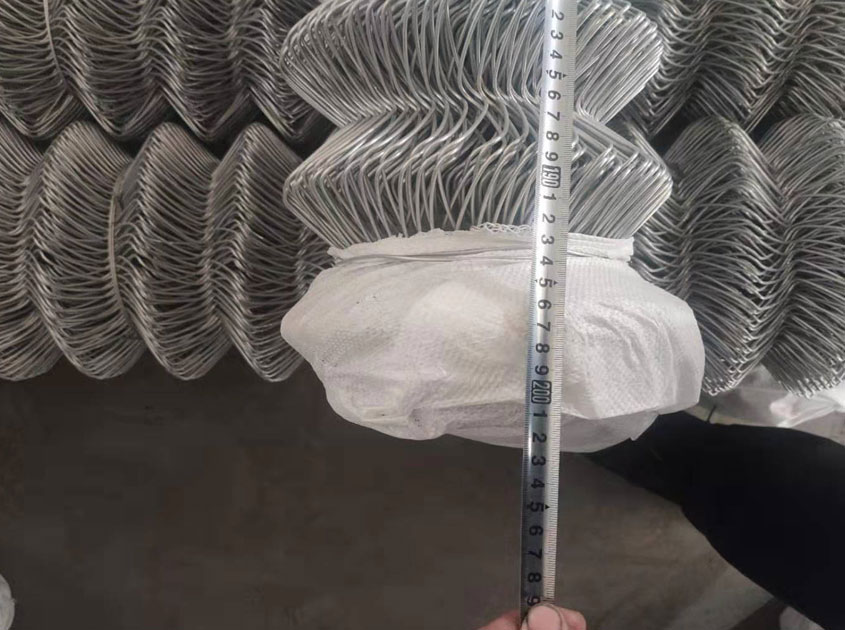
How Much Does Chain Link Fence Cost? A Complete Guide to Material Prices, Shipping and Project Costs
Pulished on Oct. 27, 2026
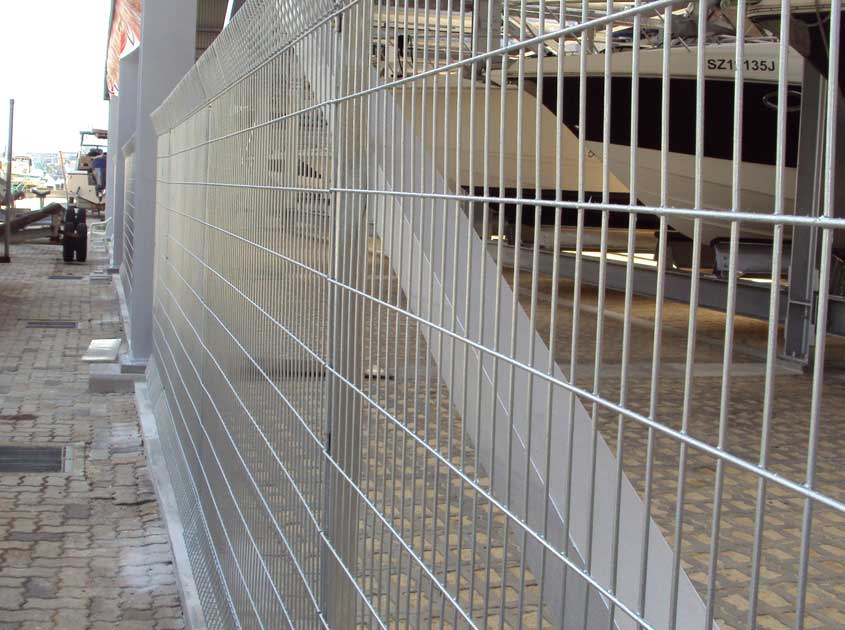
How to Install a Welded Wire Fence: A Step-by-Step Guide for Contractors
Pulished on Oct. 23, 2026

358 Fence vs Welded Wire Fence: Which Is Better for Your Project?
Pulished on Oct. 20, 2026

What Are the Advantages of Chain Link Fence? 8 Benefits for Commercial and Industrial Projects
Pulished on Oct. 16, 2026
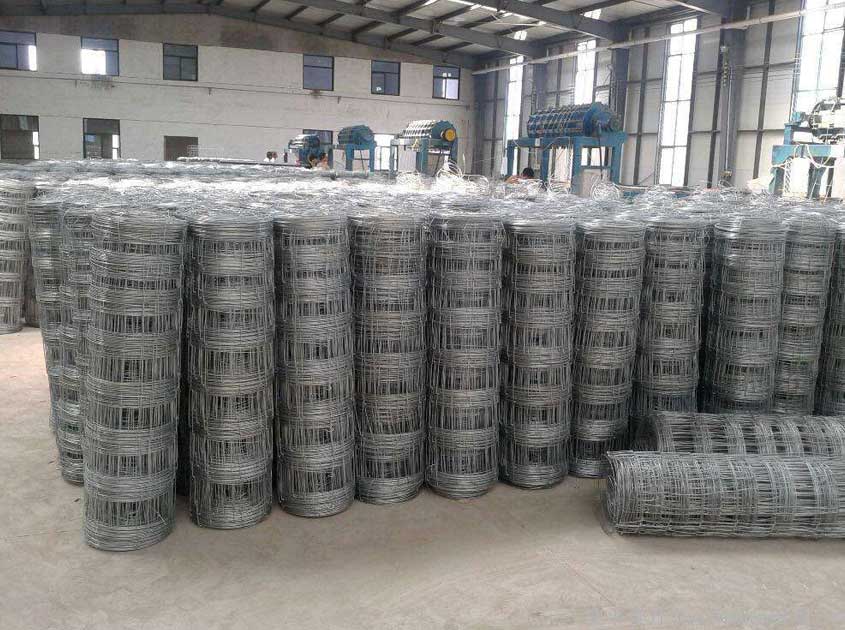
How to Choose Farm Fence for Cattle and Horses: Wire, Height and Design Guide
Pulished on Sep. 23, 2026
How Is Chain Link Fence Made? Manufacturing Process and Components
Pulished on Sep. 18, 2026
How to Select the Right Wire Diameter for Welded Wire Fence? A Practical Buyer’s Guide
Pulished on Nov. 18, 2026
What Mesh Size Is Best for Welded Wire Fence? A Practical Selection Guide
Pulished on Nov. 09, 2026
How Much Does Chain Link Fence Cost? A Complete Guide to Material Prices, Shipping and Project Costs
Pulished on Oct. 27, 2026
How to Install a Welded Wire Fence: A Step-by-Step Guide for Contractors
Pulished on Oct. 23, 2026
358 Fence vs Welded Wire Fence: Which Is Better for Your Project?
Pulished on Oct. 20, 2026
What Are the Advantages of Chain Link Fence? 8 Benefits for Commercial and Industrial Projects
Pulished on Oct. 16, 2026
How to Choose Farm Fence for Cattle and Horses: Wire, Height and Design Guide
Pulished on Sep. 23, 2026
How Is Chain Link Fence Made? Manufacturing Process and Components
Pulished on Sep. 18, 2026